
Google Fitbit Air: the Whoop alternative for normal people
My experience with Google Fitbit Air as an everyday fitness tracker for sleep, recovery and health context, not hardcore training. A Whoop alternative without a forced subscription.
Published · June 2, 2026
I am the kind of person who usually only sees running shoes on the shelf in a shoe store.
But I am also the kind of person who likes technical gadgets and prefers to base decisions on data that is, more or less, grounded in reality.
In the past, a Whoop band filled that gap.
It did that well, but for my use case it was hopelessly oversized.
Especially price-wise.
So this is mostly my Google Fitbit Air experience as a normal everyday user, not a sports-performance review.
Everyday life instead of sports
For me, this thing is not a training computer.
I do not use it to chase personal bests or to convince myself that a walk was suddenly an athletic masterpiece.
The value is somewhere else: I get a feeling for how my body is doing right now.
How did I sleep?
Am I reasonably recovered?
Was yesterday really as stressful as it felt?
Did I move at all, or did I just teleport between desk, kitchen and sofa?
None of this is revolutionary data.
But it lands in exactly the right place: in the morning, just before the question of how I want to approach the day.
Sleep tracking is the real point for me
Sleep tracking is the part I find most interesting.
Not because I want to scientifically evaluate every sleep phase. I know a tracker like this is not a sleep lab. But the rough direction is enough for me: Was the night okay? Did I actually sleep enough, or did I just spend a long time in bed?
And the quality of the data does seem to be pretty decent.
Those small patterns are especially helpful. When I see that several nights in a row were bad, I plan the day differently. Less ambitious. Fewer appointments packed too tightly. Maybe not starting a third thing in the evening just because I happen to feel briefly motivated.
The Whoop alternative for "normal" people
I completely understand why Whoop has so many fans.
Recovery, strain, sleep, all very focused.
But to me, Whoop feels a bit too much like commitment.
You can do that.
I am sure it is right for many people.
For me, absolutely not.
The Fitbit Air hits the better spot for me: enough health and sleep insights without making me feel like I have joined a sports program.
More everyday help than athlete tool.
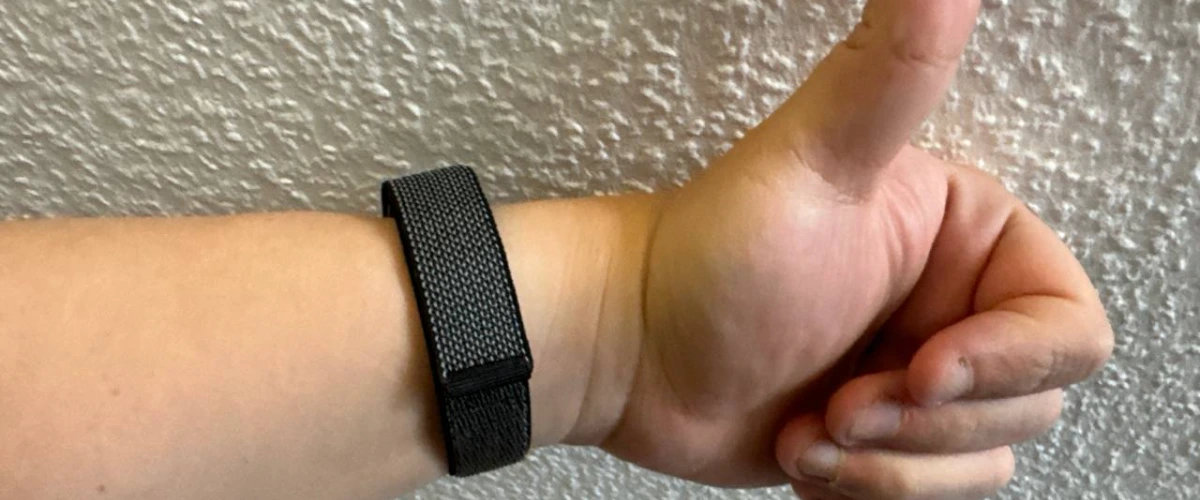
And all of that in a compact form factor that does not get in the way on the wrist, even while sleeping.
What I like about it
- Sleep becomes more tangible.
- Not perfect, but good enough to recognize patterns.
- The data works for everyday life.
- I do not have to interpret everything like a sports scientist. At least with the Premium subscription, the AI does that for me.
- It motivates without getting annoying.
- At least if you do not turn it into a control machine yourself.
- It is less hardcore than Whoop.
- For me, that is a plus, not a compromise.
- It helps with the feeling of the day.
- I do not start blind, but with a little context.
- No forced subscription.
- The data is useful and usable even without a subscription.
What you should know
Of course, this is not a magical health device.
The values are clues, not tablets of truth.
If the tracker says I slept badly but I feel good, I do not blindly believe the score. And if the score looks good but I am completely wiped out, the number does not help me either.
This thing does not replace body awareness.
Would I buy it again?
Yes.
Especially because I am not sporty.
For someone who already trains in a structured way, the data is probably somewhere between nice and useful.
For me, it is more of a small reality check.
I see faster when I am taking on too much, when I am actually tired and when a quieter day might be the better decision.
For me, the Google Fitbit Air is not a gadget that optimizes me.
It is more like one that briefly stops me and asks: "Are you sure you want to act today as if you slept eight deep and solid hours?"
And sometimes, that question is pretty good stuff.
✦Useful as a small reality check for sleep, recovery and everyday life, less so as a sports coach.
More good stuff
 Heißer Tipp
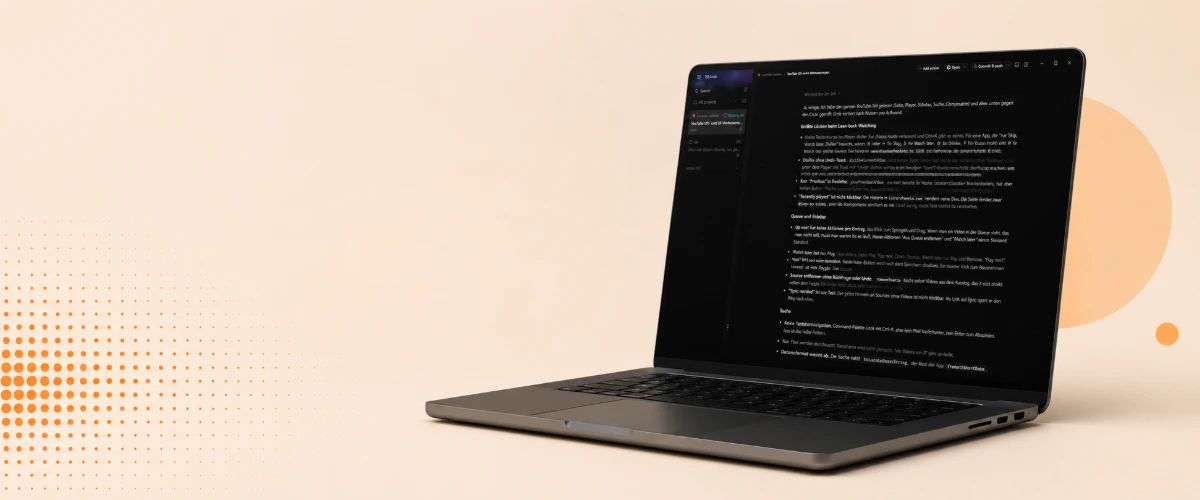
T3 Code: my Claude and Codex subscriptions in one app, without the nagging worry
My experience with T3 Code as a front end for Claude Code and Codex, using both subscriptions the way the providers intend while still switching models freely.
Pi stays my harness. But as soon as my Claude subscription has to be part of the deal, T3 Code is the front end that lets me stop thinking about account bans.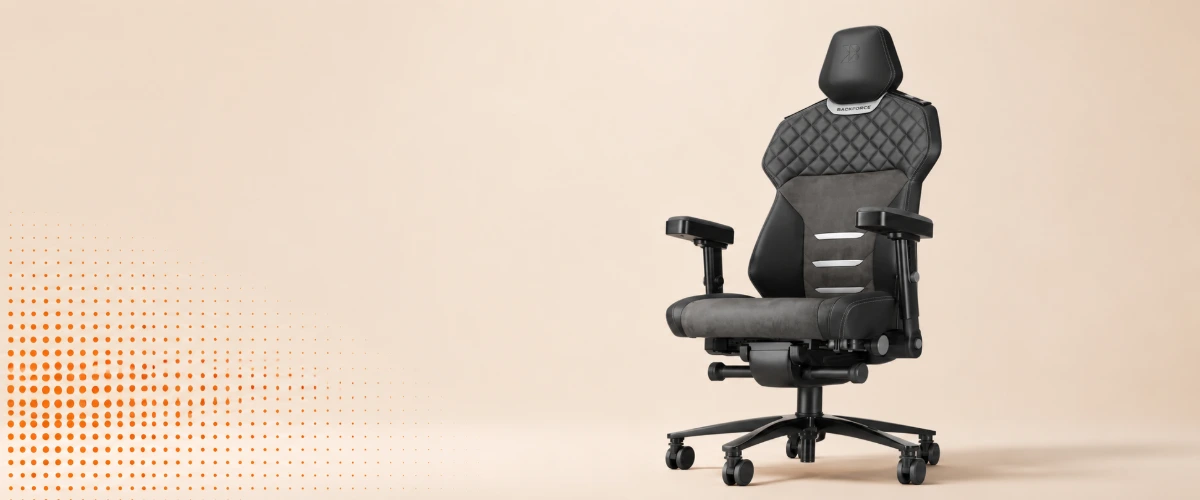 Würd ich wieder kaufen
Backforce One Plus: the chair I only write about because something broke
My experience with the Backforce One Plus after 2.5 years: a good office chair, but the real story is the warranty claim and how fast support actually was.
Two years of just being a good chair. And when something did break, support was faster than any expectation. That is exactly why I would buy it again.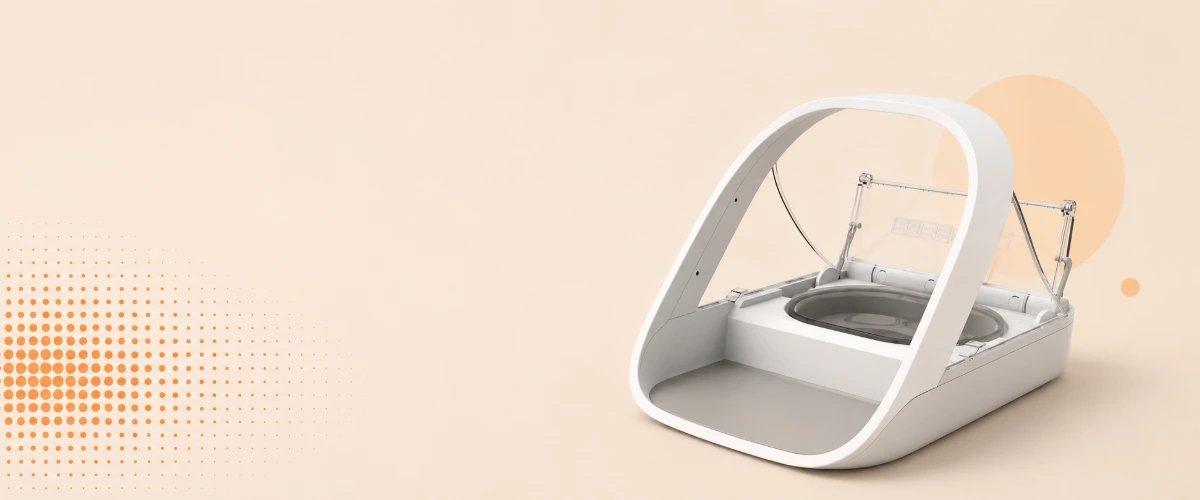 Game Changer
SureFeed Microchip Pet Feeder: how three cats finally eat their own food
My experience with the SureFeed Microchip Pet Feeder in a house with three cats, two prescription diets and one cat that eats three times as fast as the others.
I no longer stand next to the bowls keeping track of who empties which one. Every cat gets her own food, including the slow one.