
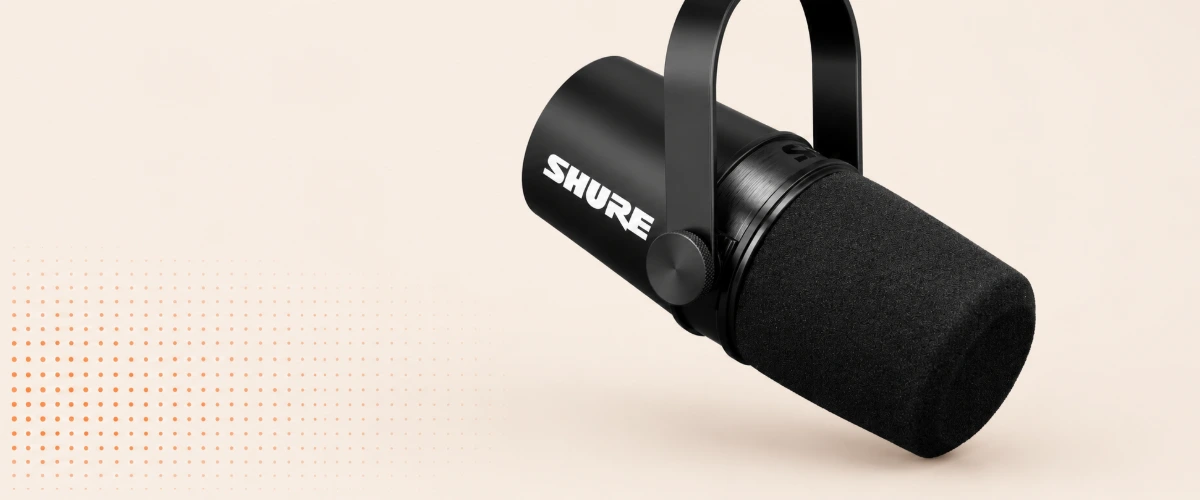
Shure MV7: the microphone that stops home office from sounding like a laptop
My experience with the Shure MV7 as a USB and XLR microphone for calls, recordings and a much more grown-up desk sound.
Published · January 30, 2026
Good sound is unfair.
When it is there, you barely notice it. When it is missing, every call immediately feels more exhausting.
The Shure MV7 is one of those devices for me that does not loudly scream "premium", but simply makes sure I no longer sound like an internal laptop microphone.
That is a bigger upgrade than you expect.
Why use a separate microphone at all?
In the home office, you talk into technology a lot.
Meetings, quick check-ins, longer explanations, maybe a recording or voiceover here and there. Every time, a small microphone decides whether you sound pleasant or like you joined from another room.
I wanted something that works without an audio degree, but does not sound like a toy.
The MV7 fits exactly between those two points.
USB now, XLR later
The big advantage: the MV7 does USB and XLR.
For everyday use, USB is wonderfully simple. Plug in, open the software, set levels, done. If you later want to use an audio interface, XLR is there without buying a completely new microphone.
That is the kind of flexibility I like: practical if the setup grows, without complexity for its own sake.
What I like about it
- The voice sounds closer and cleaner. Especially compared to laptop or webcam microphones.
- Dynamic is helpful in a normal room. It does not capture every tiny room sound as mercilessly as many sensitive condenser microphones.
- USB makes getting started easy. No forced interface, no setup drama.
- The Shure software is practical enough. Auto gain, presets and a little sound shaping are enough for everyday use.
Together with a proper camera like the Insta360 Link 2, it creates a home-office setup that does not feel overdone, but comes across much better.
What you should know
The MV7 is not a magical room improver.
If the room echoes like a stairwell, you will hear that. If the microphone is positioned badly, it will sound bad. You need to be reasonably close and aim it properly.
It also takes space on the desk, ideally with an arm. Just placing it somewhere and hoping is like lighting: technically possible, rarely nice.
Who it fits
People who speak a lot and do not want to think about sound every time.
Calls, small recordings, streaming, explanations, voice chats. Anything where voice matters, but you do not want to build a full studio.
I like that the MV7 sounds serious enough without being intimidating. It is not an audio-nerd monster. It is simply a good microphone that stays on the desk and does its job.
Exactly my kind of thing.
✦The MV7 is my sweet spot between good sound, easy use and enough room to grow later.
More good stuff
 Heißer Tipp
T3 Code: my Claude and Codex subscriptions in one app, without the nagging worry
My experience with T3 Code as a front end for Claude Code and Codex, using both subscriptions the way the providers intend while still switching models freely.
Pi stays my harness. But as soon as my Claude subscription has to be part of the deal, T3 Code is the front end that lets me stop thinking about account bans.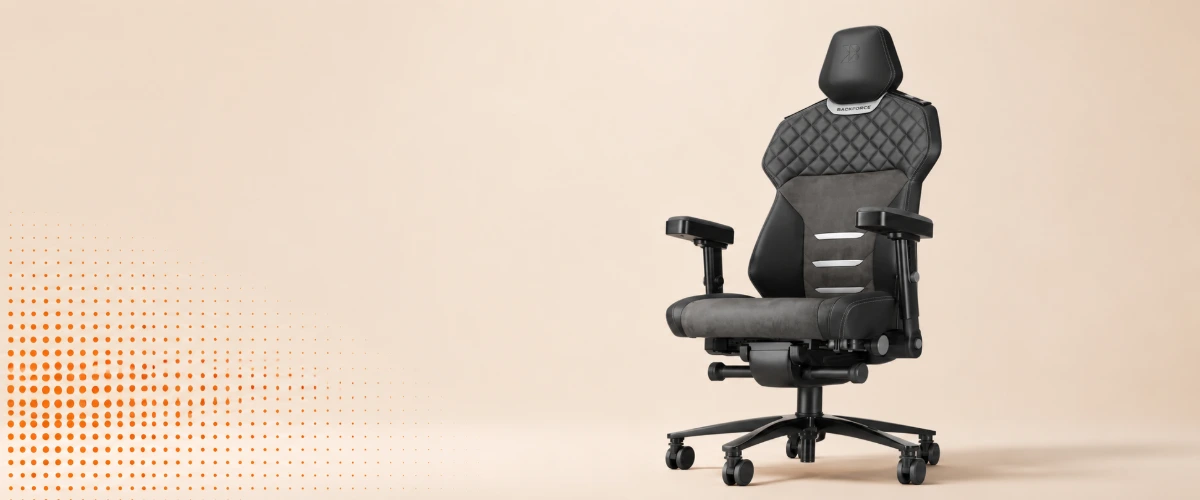 Würd ich wieder kaufen
Backforce One Plus: the chair I only write about because something broke
My experience with the Backforce One Plus after 2.5 years: a good office chair, but the real story is the warranty claim and how fast support actually was.
Two years of just being a good chair. And when something did break, support was faster than any expectation. That is exactly why I would buy it again.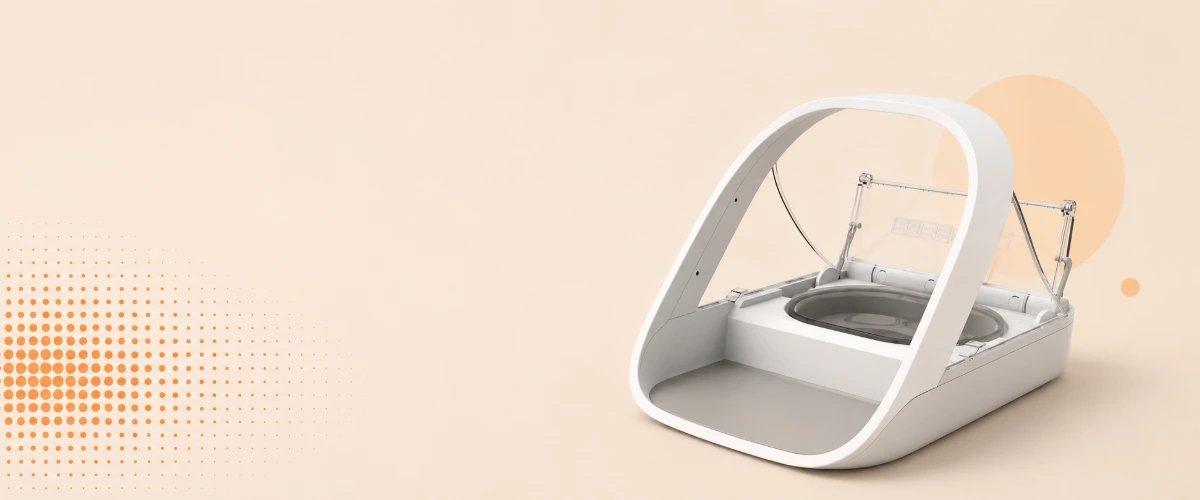 Game Changer
SureFeed Microchip Pet Feeder: how three cats finally eat their own food
My experience with the SureFeed Microchip Pet Feeder in a house with three cats, two prescription diets and one cat that eats three times as fast as the others.
I no longer stand next to the bowls keeping track of who empties which one. Every cat gets her own food, including the slow one.